WINDOW STYLES
Sliding Windows
The horizontal classic. One or both sashes glide sideways on tracks, opening half the window for ventilation with no swinging parts to manage.
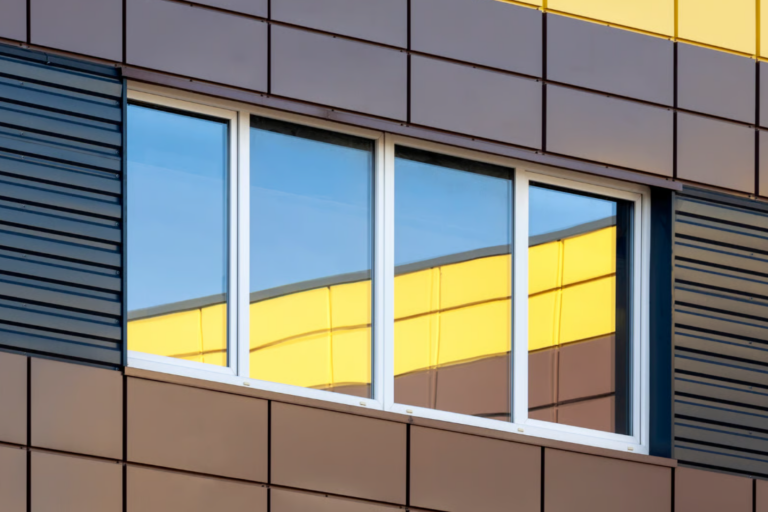
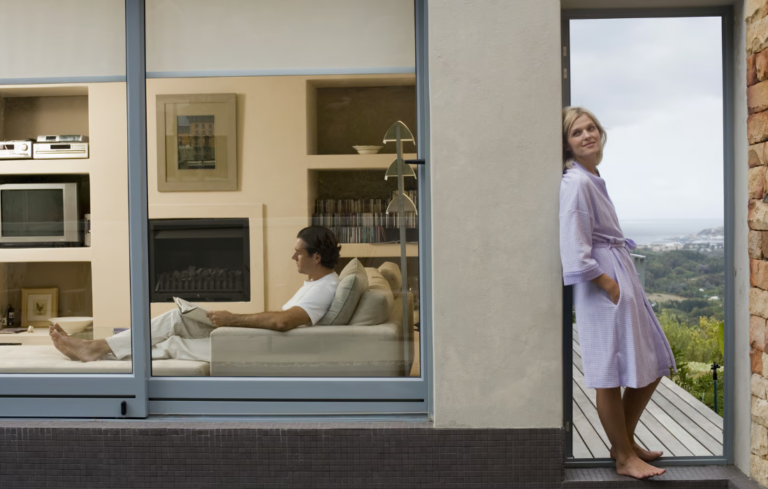

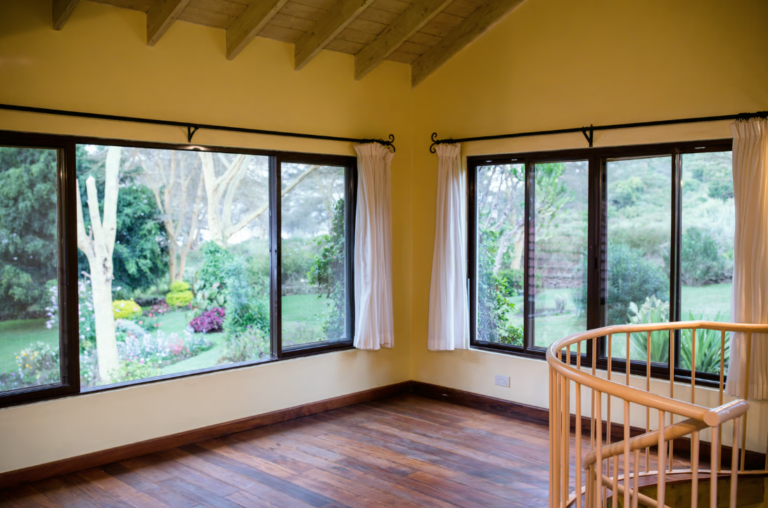
Sliding windows, sometimes called horizontal sliders or gliders, move sideways on tracks instead of up and down or in and out. They’re a natural fit for window openings that are wider than they are tall, like a kitchen above the counter, a hallway, or a basement egress. Sliders have the fewest moving parts of any operating window, which makes them durable and low-maintenance over the long haul.
How sliders work
A sliding window has two sashes side by side on parallel tracks. On most models, one sash is fixed and the other slides past it for ventilation. Some larger sliders are configured with two operating sashes, where both can move and meet in the middle. The operating sash typically lifts out for cleaning, so you can wash both sides of the glass from inside the house.
Where sliders fit best
Sliders are the natural pick for wide-but-short openings, which is where double hungs and casements look awkward. Kitchens above counters, basements at grade level, hallways, and stairwell landings all suit sliders well. They also work nicely in spaces where a casement’s outward swing would interfere with exterior elements like deck railings, plantings, or walkways.
Energy and air performance
Sliders use the same sliding-seal weatherstripping as double hungs, so the air-leakage performance is similar. Modern sliders with Low-E glass perform well above ENERGY STAR thresholds, though a casement of the same size and glass package will seal somewhat tighter. For most homes the difference is small in practice and the format choice is usually driven by opening shape and architectural fit rather than energy.
Maintenance and longevity
With fewer moving parts than any other operating window, sliders tend to be the most reliable over decades of use. The main thing to watch is the bottom track, which can collect dirt and debris and affect glide. A quick vacuum every few months keeps the track clean. The series we carry use stainless steel rollers and engineered tracks that resist wear over thousands of cycles.
Series we install in this category
Every series we install offers sliding windows. The choice usually comes down to material, tier, and how the slider needs to coordinate with other window styles in the same project.
MILGARD
Premium
Tuscany
The PNW favorite. Premium vinyl with a traditional look.
- Wider frame with shadow lines that mimic wood
- Smooth folding nesting handle
- Full Lifetime Warranty plus glass breakage
Best for: Traditional and transitional homes where you want premium vinyl with traditional sightlines.
MILGARD
Premium
Trinsic
The contemporary choice. Slim frames, maximum glass.
- Slimmest frame in Milgard’s vinyl lineup
- Hardware that practically disappears
- On-trend black-on-black option
Best for: Modern and contemporary homes where clean sightlines and large glass areas drive the design.
MILGARD
Value
Style Line
The smart-budget option. Quality Milgard vinyl at a friendlier price.
- Slim profile with equal sightlines
- Same Milgard construction as premium series
- Lifetime Limited Warranty
Best for: Budget-conscious replacements where you want Milgard quality without the premium tier upgrades.
MILGARD
Premium
Ultra Series
The longevity play. Fiberglass that outlasts almost everything else.
- Best U-factors in Milgard’s lineup
- Minimal thermal expansion vs vinyl
- Repaintable if your taste changes
Best for: Long-term homeowners who plan to stay 15 plus years and want the most durable sliding frame available.
MILGARD
Premium
A250 Aluminum
Architectural strength. Slimmer than vinyl, stronger than wood.
- Built-in thermal break addresses old aluminum issues
- Slim profile supports larger glass areas
- Anodized and architectural finish options
Best for: Modern and Northwest contemporary homes where slim aluminum sightlines are central to the design.
CASCADE
Premium
Cascade Series
Northwest manufactured. Equal sightlines that capture the wood window look.
- Engineered specifically for western US climates
- AutoLock self-latching hardware
- AAMA and NFRC certified
Best for: PNW homes where regional manufacturing and climate-specific engineering matter.
CASCADE
Value
WinPro
Cascade quality, value tier. Same energy tech, simpler profile.
- Same EC and EC+ glass as premium Cascade Series
- Clean contemporary profile, no accessory grooves
- Lifetime Warranty for original owner
Best for: Value-conscious projects where you want PNW manufacturing and modern energy performance.
PLY GEM
Luxury
MIRA
Top of the line. Real wood interior, aluminum-clad exterior.
- Solid wood interior, stainable to match your home
- 46 exterior color options
- Up to 4x more efficient than single-glazed
Best for: High-end remodels and custom homes where the interior look matters as much as the exterior performance.
PLY GEM
Premium
West Pro 700
The premium West-region vinyl. Triple-pane available.
- Extended frame depth handles extreme weather
- Triple-pane glass option for maximum efficiency
- Co-extruded black exterior with matching black interior
Best for: New construction and major remodels where you want the deepest energy performance available in vinyl.
Which one is right for you?
For most replacement projects, premium vinyl sliders from Tuscany or Cascade Series are the right starting point. If you want the longest lifespan and best thermal performance, Ultra fiberglass or West Pro 700 triple-pane are the top options. Style Line and WinPro are smart-budget picks that don’t compromise on glide quality. The A250 aluminum slider is the choice for contemporary architecture where slim sightlines matter. We’ll match the slider to the other styles in your project during your consultation.
Common questions
Not quite. Casements seal more tightly because the sash compresses against weatherstripping, while sliders use a sliding seal that’s slightly leakier. The difference is small in practice, especially with modern weatherstripping and Low-E glass. For most homes the energy performance of a quality slider is more than adequate, and the choice between styles is usually driven by opening shape and use case rather than energy.
Yes. On most modern sliders the operating sash lifts out of the frame, so you can clean the exterior side of the glass from inside the house. The fixed sash sits behind it in a separate track, also accessible for cleaning when the operating sash is removed. The lift-out feature is standard on all the series we carry.
Very little. The main thing to keep clean is the bottom track, where dust, dirt, and the occasional dead bug can accumulate and affect glide. A quick vacuum with a brush attachment every few months keeps the rollers running smoothly. Beyond that, sliders need essentially no maintenance other than occasional glass cleaning.
Modern sliders have integrated locks and many can be specified with reinforced sash interlocks for additional security. We also offer optional dowel or bar inserts that block the slider track when the window is closed. For ground-floor and basement sliders, we recommend talking through security options during your consultation.
Yes, sliders are commonly used as egress windows in basement bedrooms when sized correctly. Code typically requires a minimum 5.7 square feet of clear opening, a minimum 24 inches of clear height, and a minimum 20 inches of clear width. We’ll check the math against current code for any slider being installed as an egress window.
Planning sliding windows for your home?
Free in-home consultation. No-pressure estimate. We’ll show you sliders from across our lineup and help you compare materials side by side.