
WINDOW MATERIALS
Aluminum Windows
The strongest, slimmest frame material on the market. Modern thermally improved aluminum delivers contemporary architectural lines with energy performance that addresses the historical knock against aluminum windows.
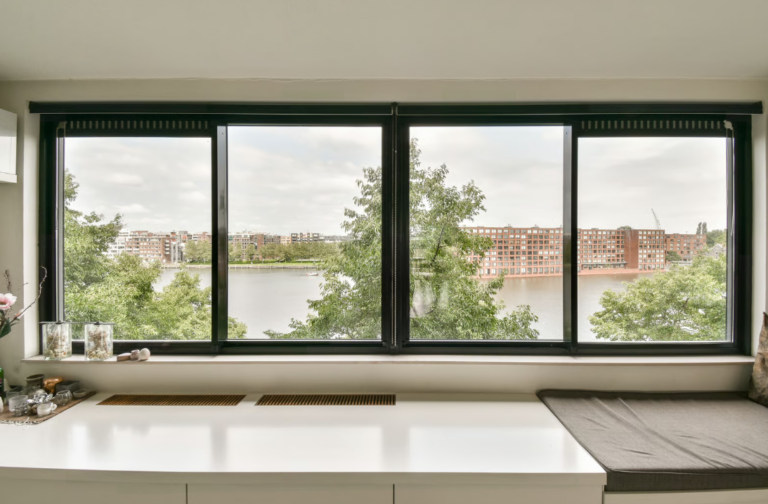

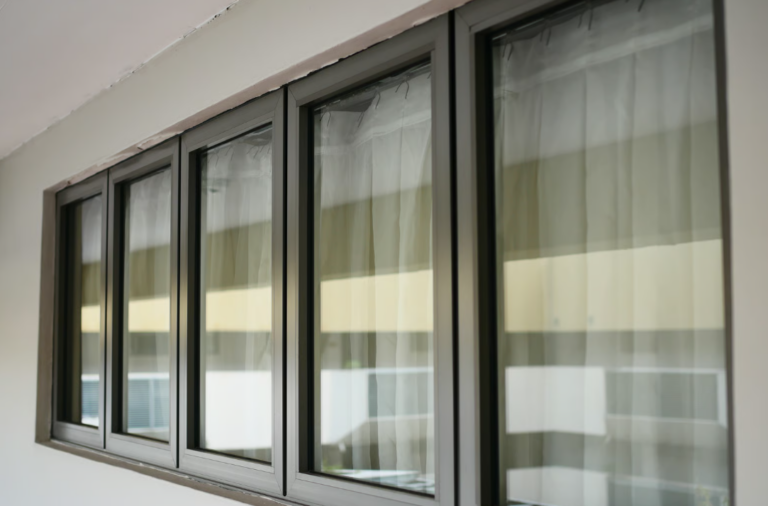

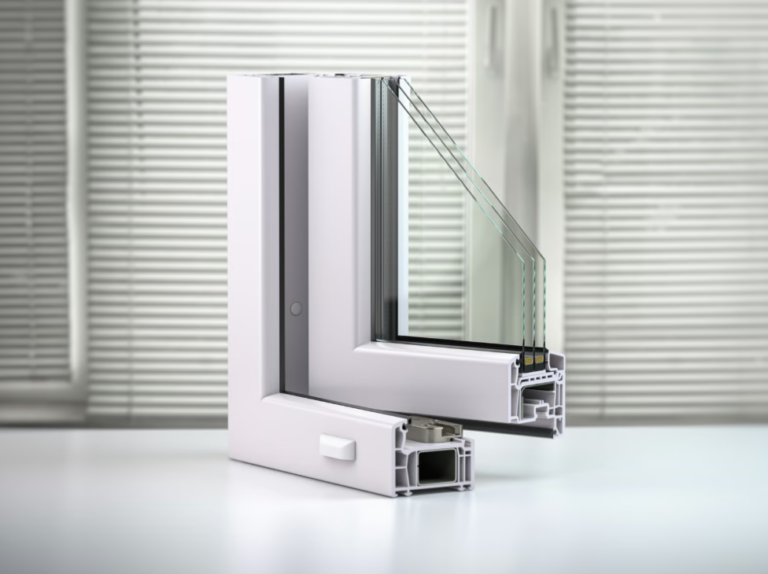
Aluminum was the dominant residential window material in the mid-20th century, then largely fell out of favor when builders realized aluminum conducts heat aggressively and creates condensation in cold climates. Modern thermally improved aluminum solves that problem with a polyurethane channel that breaks the thermal connection between inside and outside. The result is the strength and slim profile of aluminum without the energy penalty.
Why Aluminum Is Back
Two reasons. First, modern thermal-break technology dramatically reduces the cold-bridging issue that plagued older aluminum. Second, contemporary architecture often calls for slim window frames and large glass areas that vinyl simply can’t support structurally. Aluminum’s strength enables design choices vinyl can’t match. Mid-century, modern, and Northwest contemporary homes all benefit from aluminum’s architectural feel.
What Thermal Break Means
Inside the aluminum frame, between the inner and outer surfaces, sits a polyurethane channel. Heat can’t conduct through that channel the way it conducts through bare aluminum. So the inside surface of the frame stays closer to room temperature even on cold days. Combined with modern Low-E glass, today’s thermally improved aluminum windows perform respectably on energy efficiency, even if they’re still not quite at vinyl or fiberglass levels.
Architectural And Finish Options
Aluminum supports architectural finishes that vinyl can’t reproduce, including true anodized finishes that look genuinely metallic. The frame profile is the slimmest available, often less than half the visible thickness of vinyl. Hardware can be more substantial because the frame supports the weight, which gives the window a more substantial, commercial-grade feel.
When To Choose Aluminum
Aluminum is the right choice for contemporary, mid-century, modern, and commercial-aesthetic residential projects. It pairs well with concrete, stone, and metal cladding. If your home is traditional craftsman or colonial, aluminum probably doesn’t fit. If your home is a modern remodel or new build with clean lines, aluminum is often the strongest choice on every dimension except raw energy performance.
Series we install in this category
Here’s the aluminum window we install at SRC. Milgard’s A250 is a thermally improved, modern aluminum product that solves the energy issues of older aluminum windows.
MILGARD
Premium
A250 Aluminum
Architectural strength. Slimmer than vinyl, stronger than wood.
- Built-in thermal break addresses old aluminum issues
- Slim profile supports larger glass areas
- Anodized and architectural finish options
Best for: Modern, mid-century, and Northwest contemporary homes where structural strength enables design choices vinyl can’t support.
Is Aluminum Right For You?
Most of our aluminum projects use Milgard’s A250. If you want maximum architectural finish flexibility or are working on a modern home where the aluminum aesthetic is central, the A250 is usually the right call. We’ll discuss specific finish options and pair the windows with a matching aluminum patio door if you want a unified look.
Common questions
Older aluminum windows were. They had no thermal break, so the metal frame conducted heat right through the wall, leading to condensation and high energy bills. Modern thermally improved aluminum solves the thermal-break problem with a polyurethane channel inside the frame. Combined with Low-E glass, today’s aluminum windows perform far better than the bare-metal frames most people remember.
Three main reasons: structural strength supports slimmer frames and larger glass areas, the architectural feel suits modern and contemporary homes that vinyl can’t quite match, and aluminum offers true anodized finishes that vinyl can’t reproduce. The tradeoff is somewhat lower energy performance than equivalent vinyl, and a higher price point.
Yes. The thermal break and modern weatherstripping address the condensation issues that older aluminum windows had in our climate. AAMA-certified coatings handle wet conditions without corrosion. We’ve installed aluminum throughout the Puget Sound region without callback issues.
Modern, contemporary, mid-century, and Northwest contemporary homes are the obvious fits. Aluminum also works well for additions to commercial buildings or for accessory dwelling units where a clean architectural look is the priority. For traditional craftsman, colonial, or farmhouse homes, vinyl or wood-clad usually pair better with the architecture.
Yes. Milgard’s A250 patio door pairs with the A250 windows for a consistent architectural look. Ask during your consultation about packaging windows and doors together.
Considering aluminum for a contemporary project?
Free in-home consultation. No-pressure estimate. We’ll show you how thermally improved aluminum compares to vinyl and fiberglass for your home.