WINDOW MATERIALS
Fiberglass Windows
The most durable window frame material on the market. Fiberglass barely expands or contracts with temperature, lasts decades longer than vinyl, and supports slimmer profiles for more glass area.
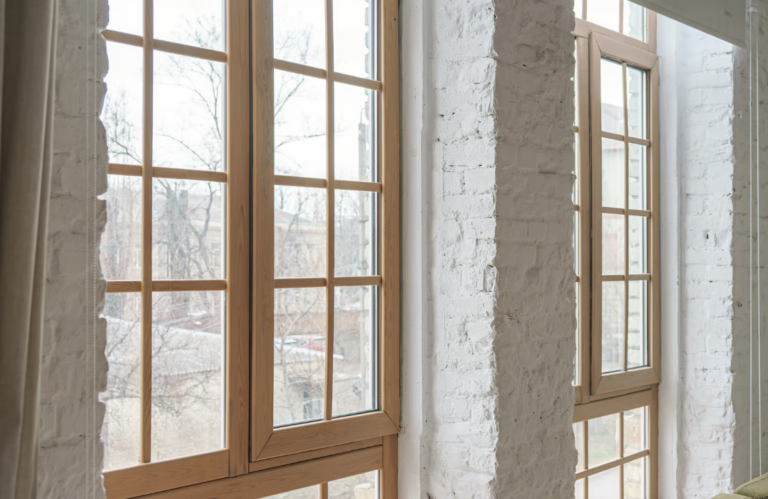
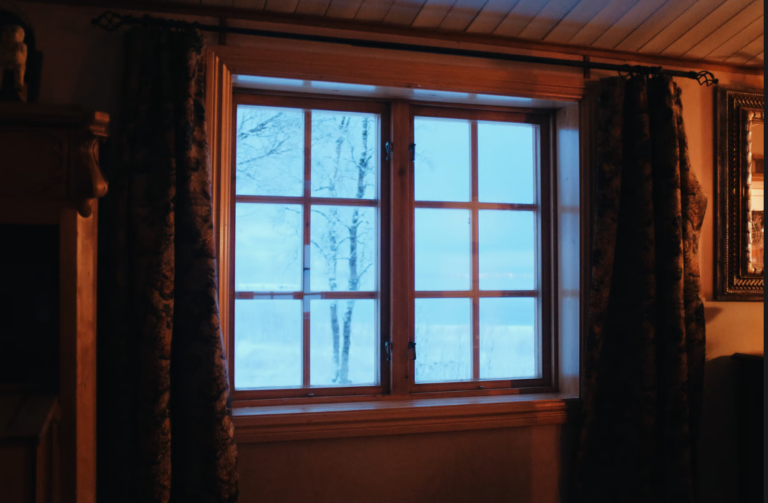
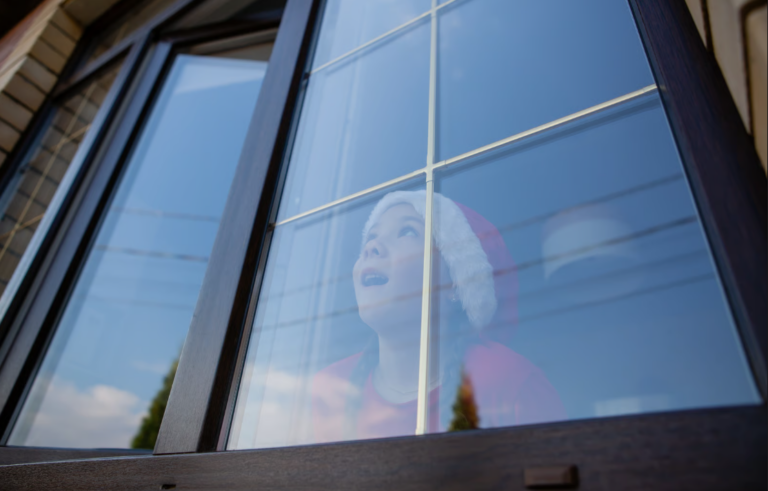
Fiberglass is the long-game window choice. The material is pultruded glass fibers in a resin matrix, which gives it strength similar to steel at a fraction of the weight. It doesn’t rot, doesn’t corrode, doesn’t peel, and barely moves with temperature swings. For homeowners who plan to stay 15 plus years, fiberglass often wins on lifetime cost.
What makes fiberglass different
Most window frames are made from materials that expand and contract significantly with temperature. Aluminum moves a lot. Vinyl moves a moderate amount. Fiberglass barely moves at all, because its thermal expansion rate is nearly identical to glass. That matters because the frame and the glass move together, so seals stay tight, gaskets stay sealed, and energy performance stays consistent over decades.
Strength and design freedom
Fiberglass is stronger than vinyl. That structural strength means manufacturers can make slimmer frames that still support large glass areas. If you want big windows, walls of glass, or the modern minimalist look without going all the way to aluminum or steel, fiberglass is usually the answer. The strength also makes fiberglass a strong choice for impact-rated and hurricane-zone applications.
Energy performance
Combined with modern Low-E glass and warm-edge spacers, fiberglass windows often deliver the best U-factors in any manufacturer’s lineup. The Milgard Ultra Series and the newer C700 Fiberglass are good examples, both have U-factors that beat most premium vinyl on the market.
Why not everyone chooses fiberglass
It costs more than vinyl. Sometimes 30 to 50 percent more, depending on configuration. The color palette is also more limited, though most homeowners find the available colors work fine. Finally, fewer brands make fiberglass than make vinyl, so the manufacturer choice is narrower. For some homeowners, the lifetime durability is worth the upcharge. For others, premium vinyl is enough.
Series we install in this category
Here’s the fiberglass window we install most often in the Puget Sound area. Milgard’s Ultra Series is the proven workhorse in this category.
MILGARD
Premium
Ultra Series
The longevity play. Fiberglass that outlasts almost everything else.
- Best U-factors in Milgard’s lineup
- Minimal thermal expansion vs vinyl
- Repaintable if your taste changes
Best for: Long-term homeowners who plan to stay 15 plus years and want the most durable frame material available.
Is fiberglass right for you?
Most of our fiberglass projects use the Milgard Ultra Series. If you’re comparing fiberglass to vinyl, the most useful comparison is Ultra against Tuscany, our top premium vinyl. Both are excellent. Ultra costs more upfront but delivers better long-term durability and energy performance. Tuscany is more accessible price-wise and still excellent for most homeowners. We can quote both during your consultation so you see the actual numbers for your project.
Common questions
It depends on how long you’ll be in the home. For 15 plus years, the math usually favors fiberglass on a total-cost-of-ownership basis. The frame holds its shape, seals stay tight, and energy performance doesn’t degrade over time the way it can with lesser-quality vinyl. For a 7 to 10 year horizon, premium vinyl like Tuscany gets you 90 percent of the way there at a lower price.
Yes. Unlike vinyl, fiberglass takes paint well. The factory powder-coat finish is durable enough that most homeowners never repaint, but the option is there if your design preferences change. This is a meaningful flexibility that vinyl can’t offer.
The Milgard Ultra Series carries Milgard’s Full Lifetime Warranty including glass breakage, transferable to a new owner for up to 10 years. That’s the same warranty as Milgard’s premium vinyl Tuscany Series.
Better than vinyl, by most measures. The minimal thermal expansion means windows stay sealed tight through wet winters and warm summers. There’s no concern about UV degradation in our climate. The powder-coat finish handles our wet conditions without any issues.
Yes, and this is one of fiberglass’s main advantages. The structural strength supports larger glass areas with slimmer frames than vinyl can manage. If you’re planning a feature window, picture window, or a wall of glass, fiberglass gives you design options vinyl doesn’t.
Considering fiberglass for your project?
Free in-home consultation. No-pressure estimate. We’ll compare fiberglass against vinyl for your specific project.