
Window labels can feel like alphabet soup: U-factor, SHGC, VT, AL, ENERGY STAR, and NFRC. Yet these ratings are the most useful tools homeowners have for comparing how complete window products perform. They are especially valuable in Washington, where a window selected for a shaded Puget Sound home may have different priorities than one installed in a sunny, colder location east of the Cascades.
This guide explains the ratings that matter and how to use them when planning a replacement-window project.
Start With the NFRC Label
The National Fenestration Rating Council label reports independently certified performance values for the complete window—glass, frame, sash, spacers, and other components. That is more useful than comparing glass-only claims or marketing names.
Two windows that both use double-pane low-E glass can still perform differently because of their frames, spacers, gas fills, dimensions, and construction. Compare labels for the actual product configurations being quoted whenever possible.
U-Factor: How Well the Window Slows Heat Flow
U-factor measures the rate of heat transfer through the window. Lower numbers indicate better insulating performance. In Washington homes, a lower U-factor can help keep interior glass surfaces warmer during cold weather, reduce heat loss, and improve comfort near windows.
U-factor should be evaluated alongside the home’s location, heating system, window area, and budget. It is not the same as R-value: R-value increases as insulation improves, while U-factor decreases.
SHGC: How Much Solar Heat Enters
Solar heat gain coefficient, or SHGC, is expressed as a number between zero and one. A lower number means the window admits less solar heat; a higher number means it admits more.
There is no single perfect SHGC for every Washington window. Orientation, trees, overhangs, neighboring buildings, interior comfort, and air-conditioning use all matter. A west-facing living room that overheats on summer afternoons may benefit from lower solar gain. A shaded north-facing opening is usually more focused on limiting heat loss. South-facing windows can sometimes use winter sun beneficially when the home’s design and shading are considered together.
Visible Transmittance: How Much Daylight Passes Through
Visible transmittance, or VT, indicates how much visible light comes through the complete window. Higher values generally mean more daylight. Frame area, glass coatings, tints, and the number of panes can all affect the rating.
VT matters in the Pacific Northwest because daylight is a major design priority during cloudy months. A product should balance daylight, glare, privacy, solar heat gain, and fading protection rather than chasing the highest number automatically.
Air Leakage: How Tightly the Window Closes
Air leakage measures how much air passes through the window assembly under standardized test conditions. Lower values indicate less leakage. This rating can be especially useful when drafts and wind exposure are major concerns.
Window style affects air tightness. A casement or awning window closes against compression seals, while sliding and hung windows use tracks and moving seals. Product quality matters, but installation gaps around the frame are separate from the laboratory rating and must be sealed correctly on site.
Condensation Resistance: A Comparison Tool, Not a Guarantee
Some NFRC labels include a condensation-resistance rating. Higher values indicate better resistance to interior condensation under the test conditions. This can help compare products, but no rating guarantees condensation-free windows.
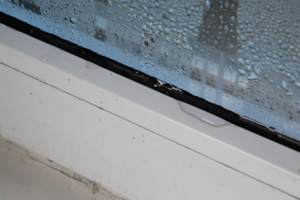
Indoor humidity, outdoor temperature, window coverings, air circulation, and installation details all influence condensation. Moisture on the room-facing glass may signal high indoor humidity, while moisture trapped between panes typically points to an insulated-glass seal failure.
What the ENERGY STAR Label Adds
ENERGY STAR certification identifies products that meet performance criteria for a specific climate zone. Washington spans different conditions, so use the official climate-zone finder for your county rather than assuming the same selection applies statewide. The ENERGY STAR label complements the NFRC label: ENERGY STAR shows whether the product meets zone-specific criteria, while the NFRC label provides the numbers used to compare products.
According to ENERGY STAR, certified windows, doors, and skylights can reduce heating and cooling costs by an average of up to 13% nationwide compared with non-certified products. Actual savings in a Washington home will vary based on the windows being replaced, the number and size of openings, installation quality, energy prices, HVAC equipment, insulation, and household use.
How Low-E Coatings and Gas Fills Affect the Ratings
Low-emissivity coatings are microscopically thin layers applied to glass to manage radiant heat transfer. Different coatings can be tuned for lower, moderate, or higher solar gain. Argon or krypton gas between panes reduces heat transfer compared with ordinary air, while improved spacers can reduce heat flow around the edge of the glass.
These features should be evaluated through the final NFRC ratings. A long list of technologies is useful only when the complete window delivers the comfort, daylight, and efficiency the project requires.
A Practical Checklist for Washington Homeowners
- Confirm the ENERGY STAR climate zone for your county.
- Compare complete-window NFRC labels, not glass-only values.
- Prioritize a lower U-factor for better insulation.
- Select SHGC with orientation, shade, and summer overheating in mind.
- Review visible transmittance when daylight is important.
- Consider air-leakage performance for draft-prone or exposed locations.
- Ask how the installation will manage rain, flashing, insulation, and air sealing.
- Compare warranties for the frame, insulated glass, finish, hardware, and labor.
Good Ratings Still Require Good Installation
Laboratory ratings describe the manufactured product. They do not account for an opening that is out of square, missing flashing, poorly insulated, or inadequately sealed. For Washington homes, installation planning should address both energy performance and water management.
SRC Windows & Doors can help you compare NFRC labels and select glass packages for different elevations of your home. Explore our replacement windows or schedule a consultation with our Washington team.
Further reading: ENERGY STAR residential windows, doors, and skylights, the ENERGY STAR climate-zone finder, and the U.S. Department of Energy’s window technology guide.